
Compartir és cuidar

Troba les últimes notícies compartides per la nostra comunitat, relacionades amb la calor, la qualitat de l'aire i la salut a Barcelona.
Arxius de bulletins informatius
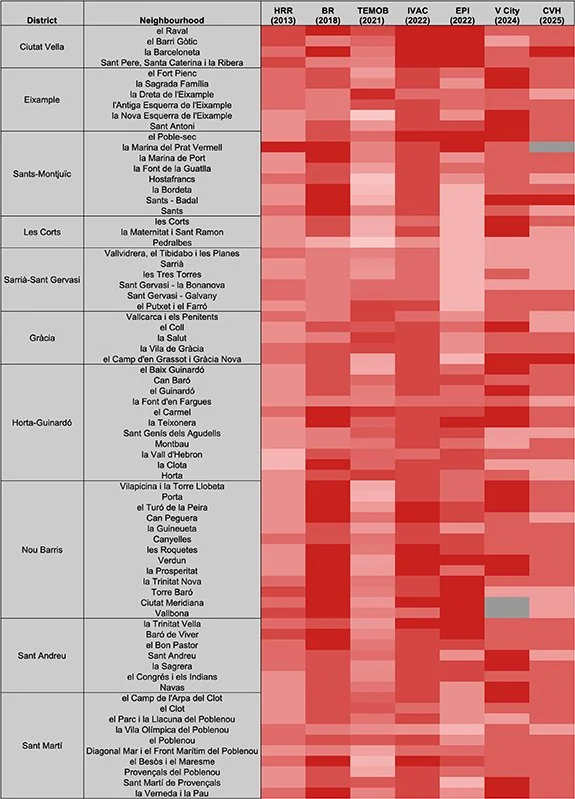
Operationalising heat vulnerability mapping: analysing nine approaches in Barcelona (BSC, BC3)
We interrogate what is meant by vulnerability and how it is calculated. We find vulnerability is variously defined (if at all) and rarely includes multiple, dynamic or intersectional factors. We suggest creating a climate vulnerability observatory to increase transparency.
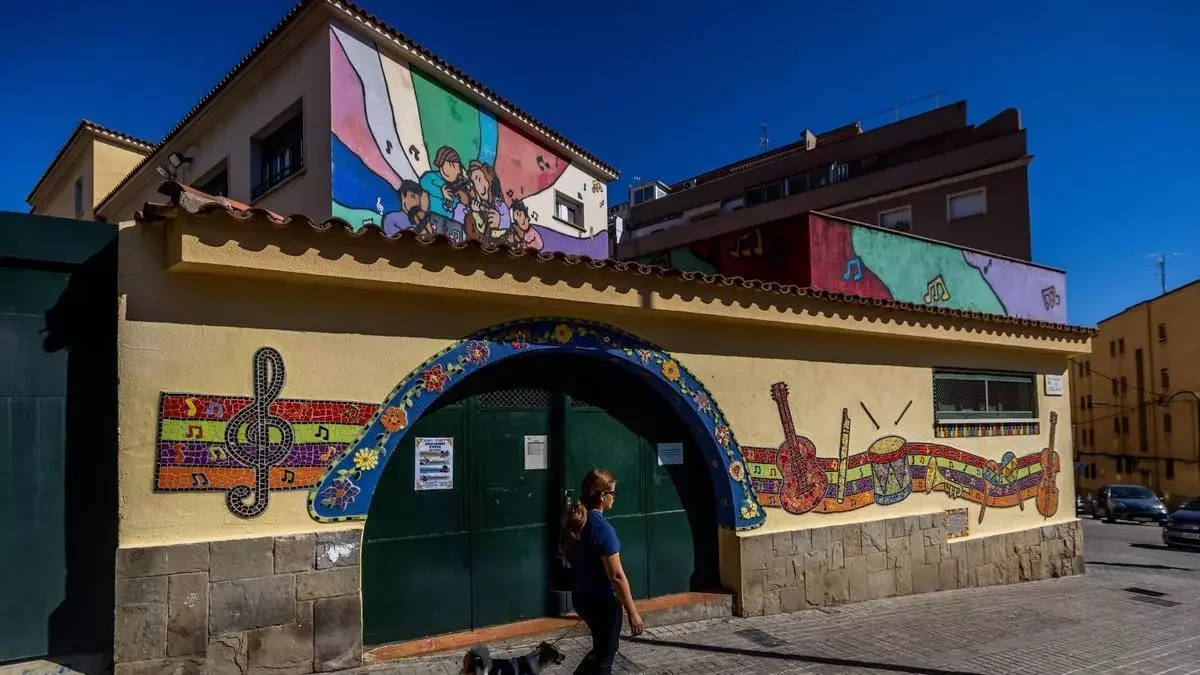
¿La pesadilla de vivir en La Florida? (UAB y La Florida s’Aveïna)
Els 25 socis es van reunir per fer balanç de la primera fase del projecte, de 2023 a 2025, i establir els objectius estratègics 2026-2030 i el pla de treball 2026. La trobada també va incloure un diàleg entre els socis entorn a tres preguntes clau.

Lived experiences of heat stress among migrant agricultural workers in Spain: a qualitative study (ISGlobal, UB)
Els 25 socis es van reunir per fer balanç de la primera fase del projecte, de 2023 a 2025, i establir els objectius estratègics 2026-2030 i el pla de treball 2026. La trobada també va incloure un diàleg entre els socis entorn a tres preguntes clau.
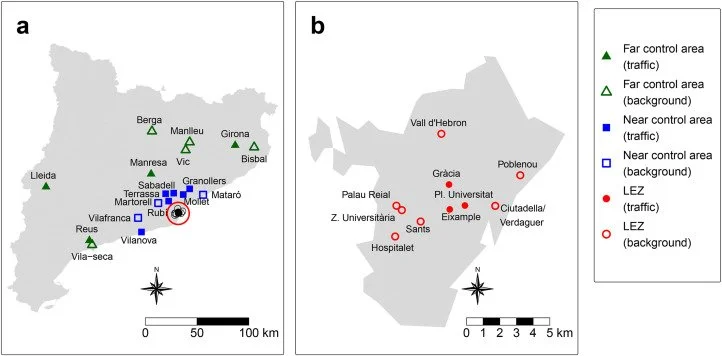
Effectiveness of a low emission zone in improving air quality in Barcelona (ISGlobal et al)
We estimate the impacts of the LEZ on NO2, PM2.5 and PM10 concentrations in Barcelona. Results indicated that the LEZ was effective in reducing NO2 concentrations, while the effects on PM were more uncertain.
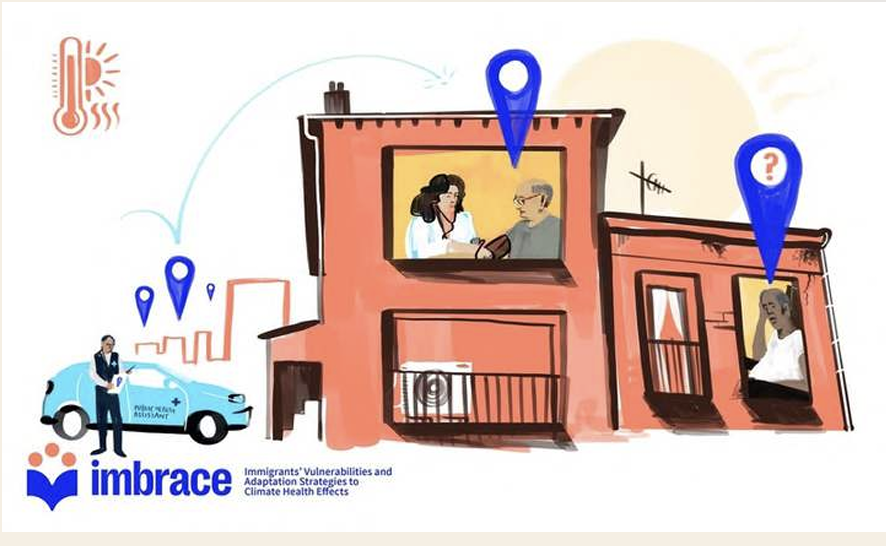
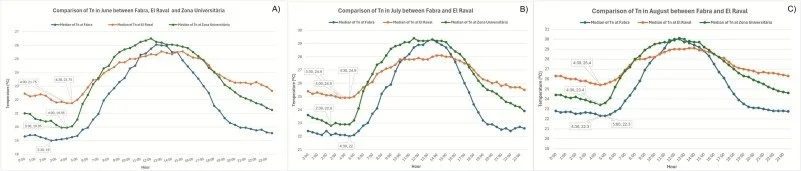
When the sun goes down, heat vulnerability remains (BSC, UAB)
This short communication proposes a multidimensional perspective to night time heat, combining recent climate data, vulnerability analysis and urban adaptation strategies. It discusses how localized urban heat islands, limited access to climate shelters, and stressors like traffic noise levels intersect to shape heat risk and climate injustice at night in Barcelona
Drivers of Vulnerability to Heat Related Health impacts for Migrants in European Cities: A scoping review of the existing literature {Proyecto IMBRACE},(ICTA-BCNUEJ, UAB)
This report offers a scoping review of academic literature produced between 2005 and 2025 on how climate change—particularly extreme heat—impacts migrant health vulnerability. It applies an intersectional lens, identifying eight drivers of heat-related health vulnerability ranging from systemic inequality and discriminatory policy environments to gaps in infrastructure and health systems. By highlighting these interconnections, the report moves beyond a one size-fits-all metrics toward a justice-centered understanding of vulnerability that recognizes migrants as active agents in shaping climate adaptation.
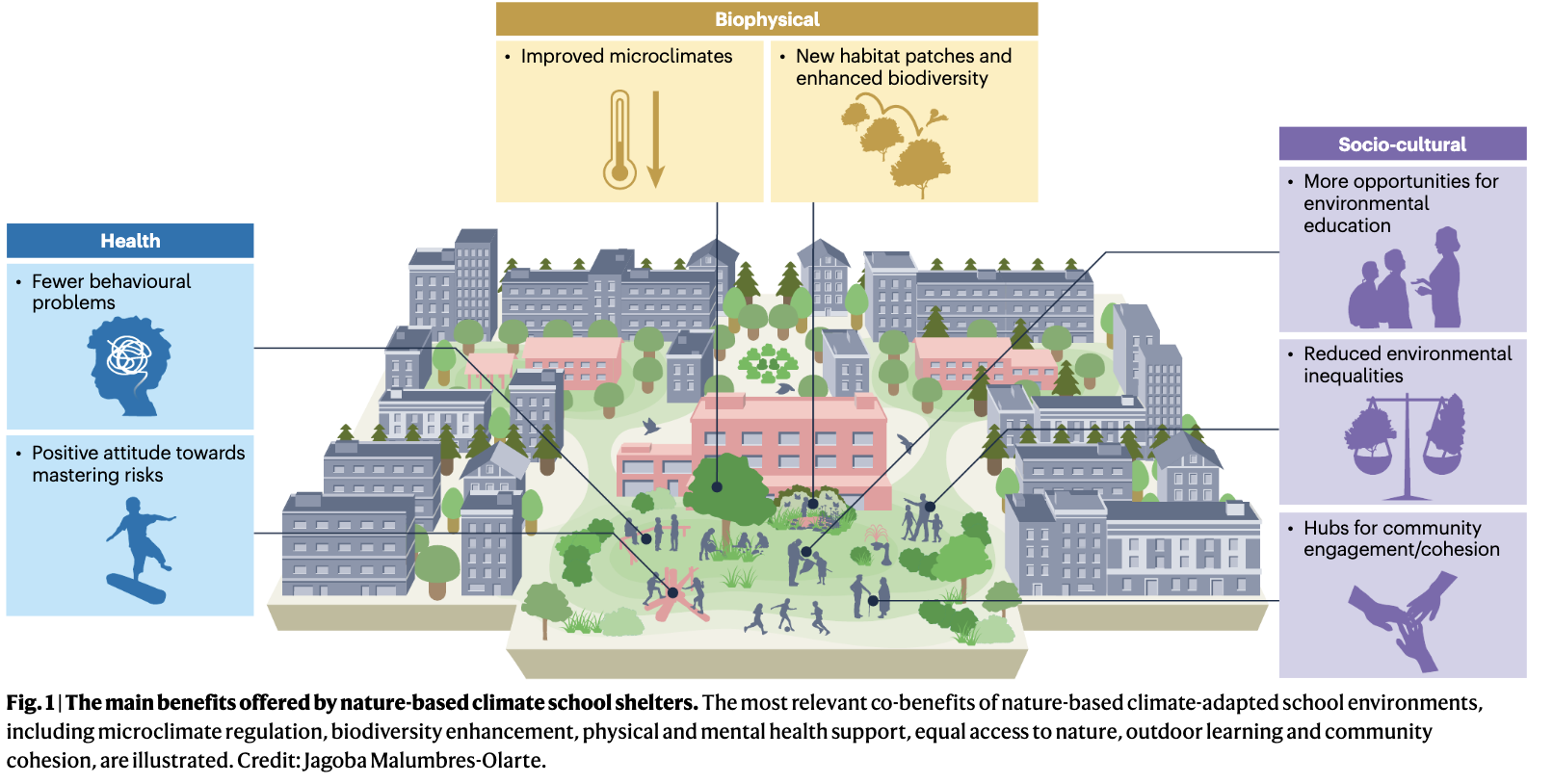
Greening schools for climate-resilient, inclusive and liveable cities {Proyecto Coolschools} (UOC, UPC)
In this comment article, we argue that transforming schoolyards into nature-based climate shelters is more than just a cooling strategy, it is a climate justice and planetary health imperative.
Ruiz-Mallén, I., Baró, F., Bentouhami, H., Blanc, N., Casas, L., Clauzel, C., Colacios, R., Gallez, E., Phillips, A., Presser, P., Reckien, D., Sekulova, F., 2025. Greening schools for climate-resilient, inclusive and liveable cities. Nature Climate Change.
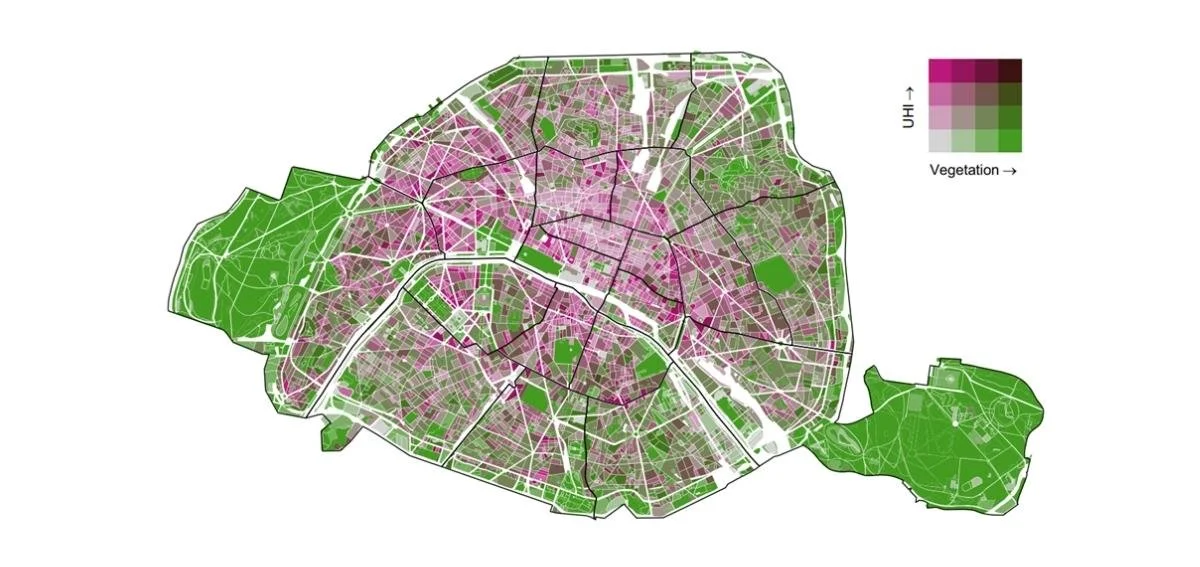
Greening mitigates heat-related mortality in Paris (ISGlobal)
In Paris, trees reduce mortality linked to heat waves. An international study shows that districts with more vegetation experience lower mortality during heatwaves and that increasing green cover could reduce heat-related deaths by up to one third
Holistic evaluation of the impact of pregnancy urban exposome on infant wheezing and chest infections: an outcome-wide approach (ISGlobal)
The urban environment during pregnancy influences the risk of wheezing and respiratory infections in early childhood. Green spaces, air quality, temperature and the presence of pets are among the factors that influence children’s respiratory health

Grup de compartir informació i eines per modelitzar la qualitat de l'aire a Barcelona (BSC)
Un grup informal de gent que treballa sobre la qualitat de l'aire a Barcelona. Ens trobem mes o menys cada dos mesos per una hora (normalment en línia). Si t'interessa, apunta't:https://form.typeform.com/to/eiwfklbc (Propera reunió primeras setmanas de març)